The Field Museum: From World's Fair Collections to a Marble Palace on the Lakefront
November 1, 2026
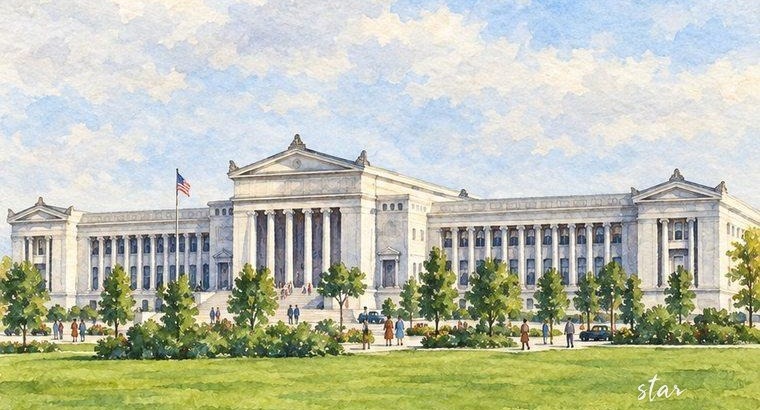
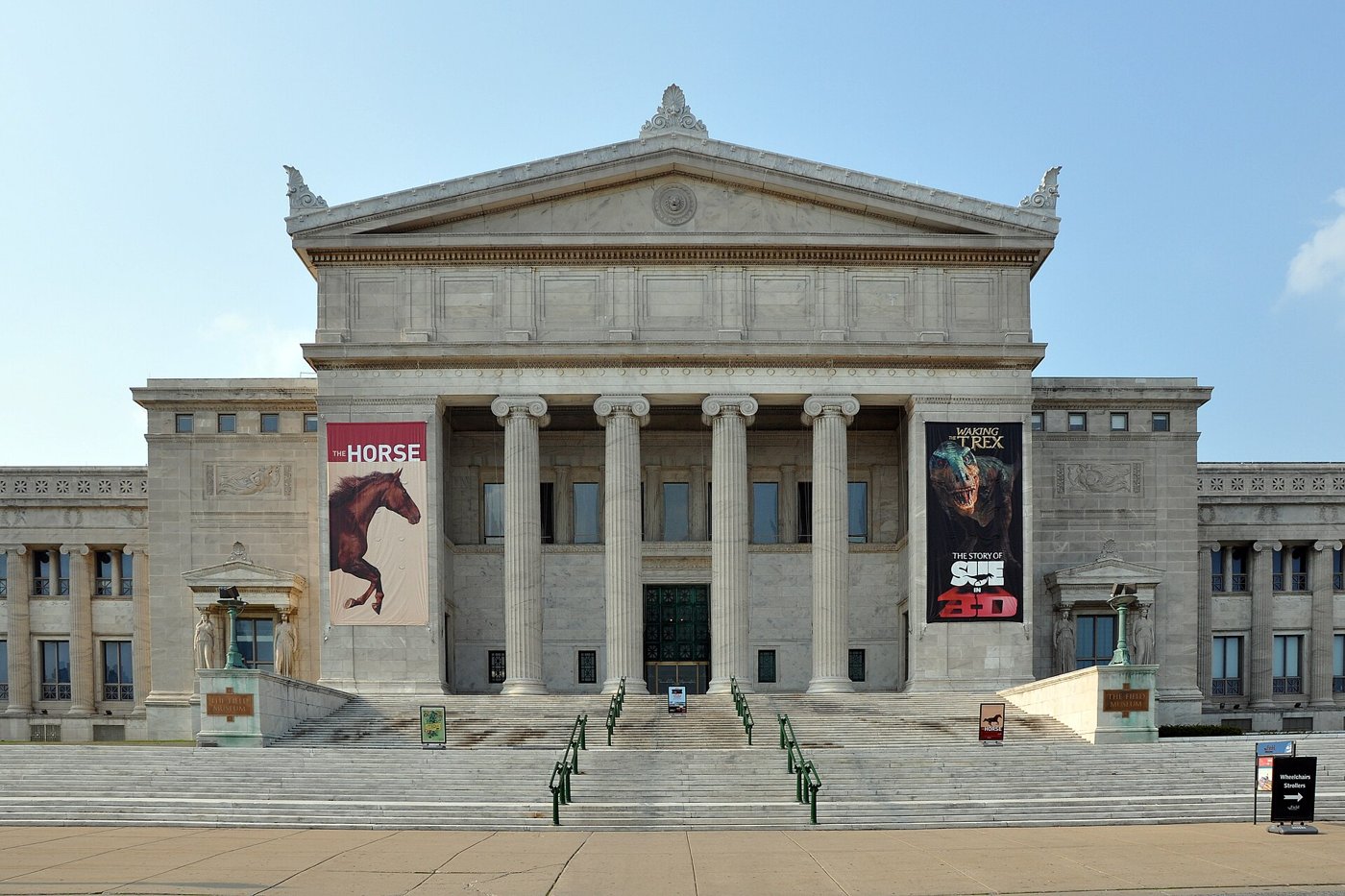
The Field Museum stands at 1400 South DuSable Lake Shore Drive, a white-marble monument to the idea that Chicago should be a center of scientific knowledge as well as commerce. Its public galleries are only the visible edge of an institution caring for roughly 40 million specimens and cultural objects. The building is both an exhibition hall and a working research center, where collections outnumber the things a visitor can see by an enormous margin.
Its history begins with the 1893 World's Columbian Exposition, but the present building opened in 1921. Between those dates came fundraising, expeditions, a deteriorating first home and a court battle that forced the museum away from its proposed site inside Grant Park. The institution's growth is a story about changing ideas of what a museum should collect, who should control those collections and how a monumental building can keep adapting.
Born of the World's Fair
Frederic Ward Putnam, who directed the exposition's ethnology work, advocated a permanent museum before the fair opened. Edward E. Ayer, later the institution's first president, helped turn that proposal into a funded project. Marshall Field, the department-store merchant, contributed $1 million, and other donors followed. Illinois issued the charter for the Columbian Museum of Chicago on September 16, 1893, while the fair was still running.
The trustees voted to rename it the Field Columbian Museum on May 21, 1894. It opened June 2 in the exposition's Palace of Fine Arts in Jackson Park. That first home, later rebuilt for the institution now called the Griffin Museum of Science and Industry, should not be confused with today's lakefront museum. The first collections included Tiffany's exposition gem display, natural-history material from Ward's Natural Science Establishment, botanical specimens and objects from communities around the world.
The museum soon became more than a place to store a fair's remaining exhibits. Scientists began collecting and conducting research almost immediately. Carl Akeley and David Giraud Elliot's 1896 journey to Somalia brought back important bird and mammal collections. Akeley also changed how animals were displayed: his sculptural taxidermy and carefully designed habitat groups made specimens appear within an environment rather than as isolated curiosities.
The park lawsuit changed the address
By 1905, the Palace of Fine Arts was deteriorating and the growing museum needed a permanent home. Daniel Burnham proposed a prominent site on the Congress Street axis in Grant Park. The museum would have been a centerpiece of his vision for Chicago's lakefront. But merchant A. Montgomery Ward insisted that the park's dedication required it to remain open and free of buildings.
The legal result was not a museum victory that authorized construction at the original site. In Ward v. Field Museum of Natural History, the Illinois Supreme Court's 1909 judgment reversed a lower-court decision and directed that the requested injunction be granted. The court treated the restrictions on building as binding on the park authorities and the museum. A cultural use did not erase those restrictions.
The museum's own architecture history describes the consequences: plans returned briefly to Jackson Park, where steel and marble were delivered, before another change placed the building on land south of Roosevelt Road. That distinction explains why the present museum stands near Grant Park rather than on Burnham's intended central axis. The eventual address was the product of a contested public landscape, not simply the first design carried through.
Peirce Anderson's marble museum
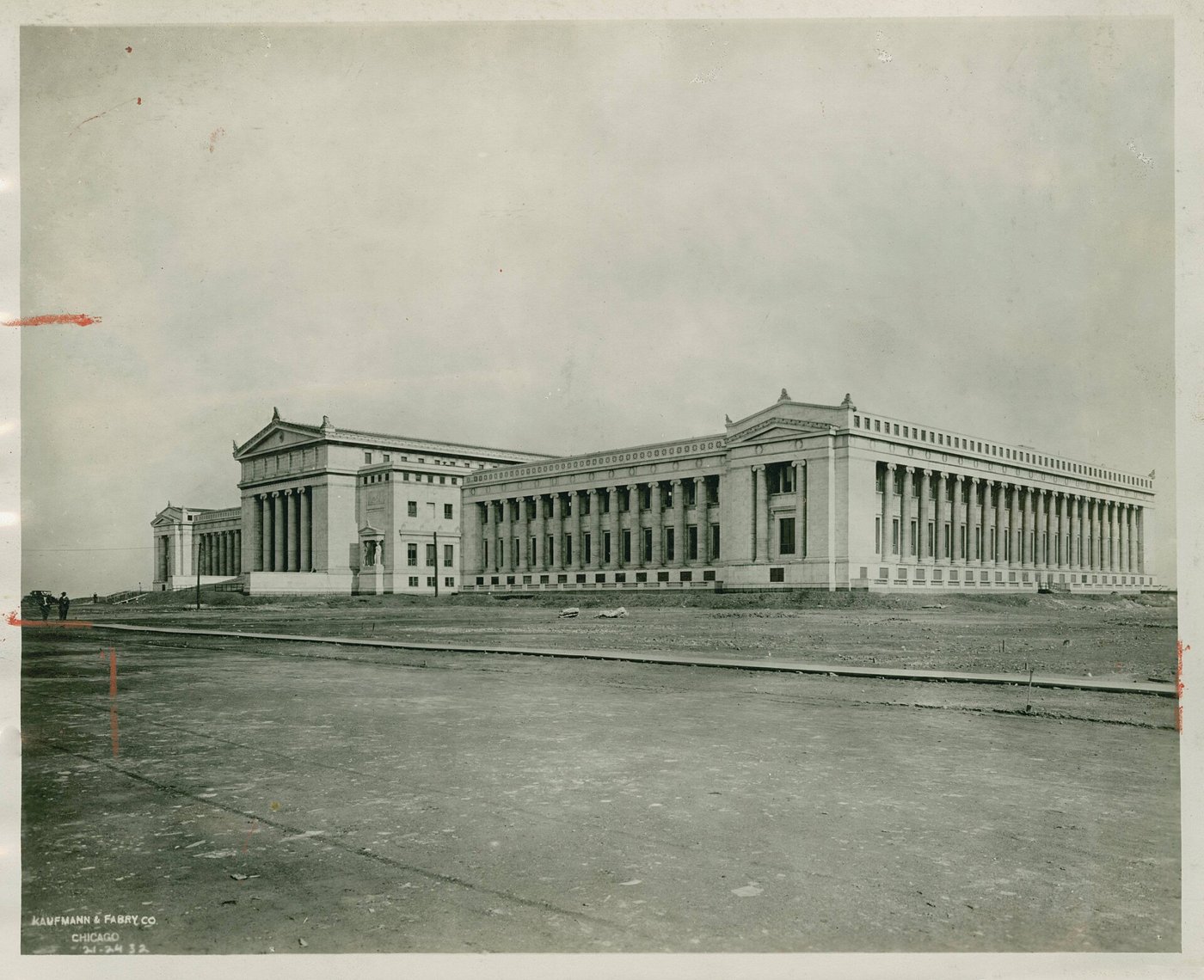
Construction began July 26, 1915. The museum credits Peirce Anderson of Graham, Anderson, Probst & White with the design. William Peirce Anderson trained at Harvard and the Ecole des Beaux-Arts in Paris, receiving his architectural diploma in 1899. His career linked Burnham's planning practice to its successor firms; he also worked on plans for Manila and Baguio and served on the U.S. Commission of Fine Arts from 1912 to 1916.
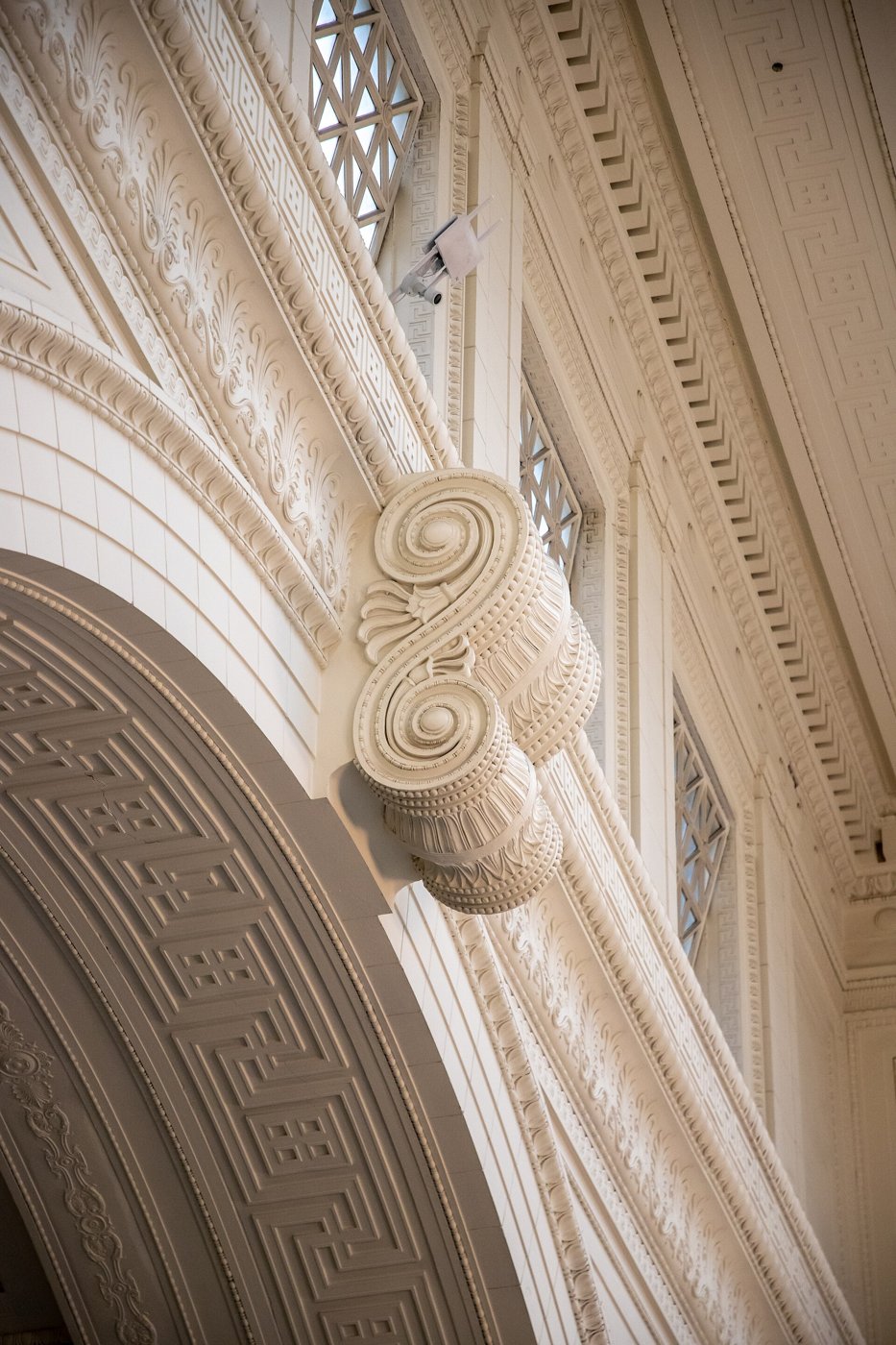
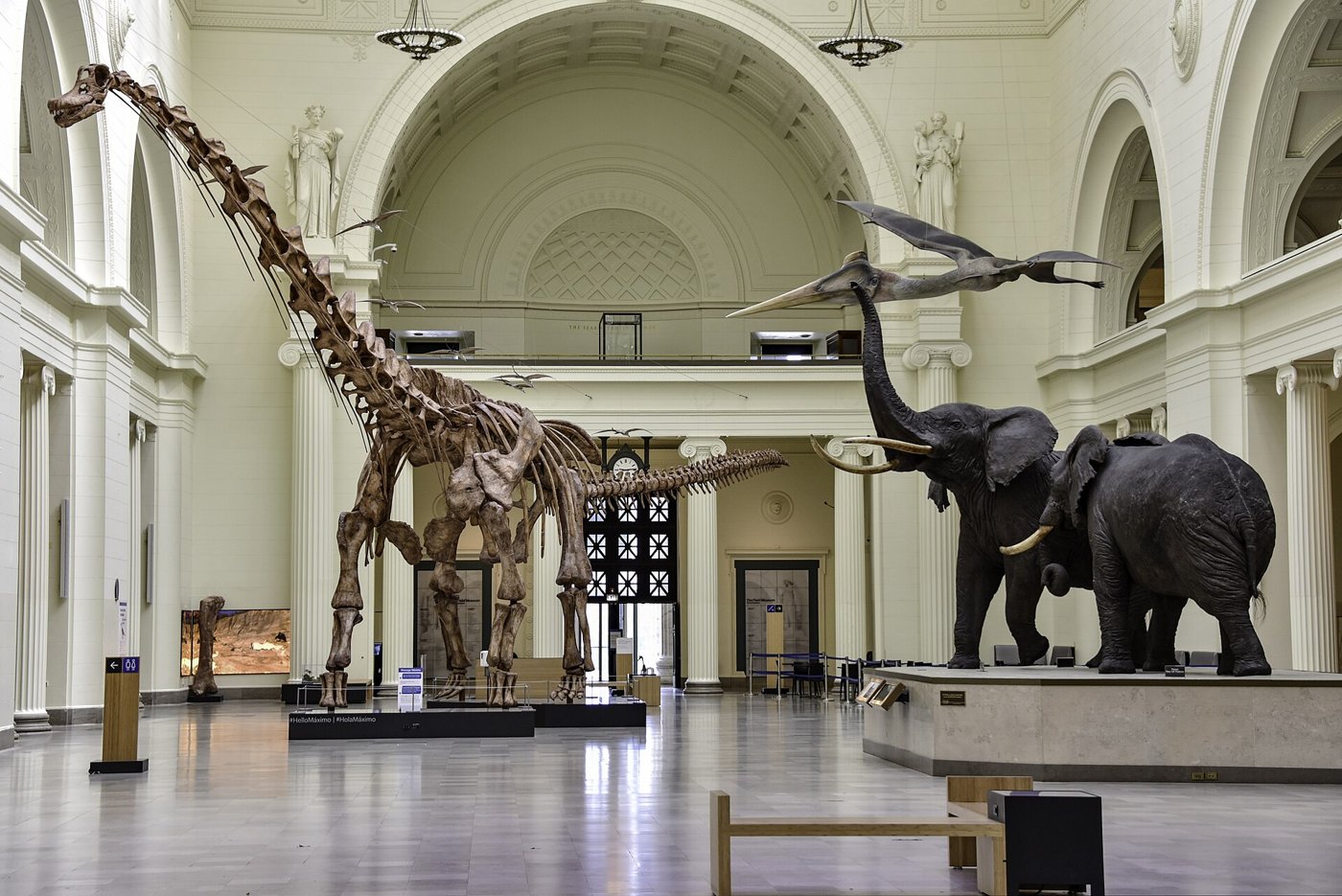
The building's classical language draws on Greek and Roman temples. Columns, a long symmetrical facade and a large central hall give a single visual order to an institution containing many different sciences. The museum's architecture page identifies low-relief panels by Henry Hering representing botany, geology and zoology. Inside, the four muses at the corners of Stanley Field Hall express the museum's purposes through allegorical figures.
Practical construction was as demanding as the monumental appearance. The foundations took a year and reach 95 feet down in places. The museum gives the original quantity of white Georgia marble as 350,000 cubic feet. Construction lasted nearly six years and cost about $7 million. In 1918, plans were altered so the unfinished building could serve as a wartime hospital, but the government canceled the arrangement before any recovering soldiers were treated there.
Moving a museum, then changing it
The collection transfer began in March 1920. Specimens and display cases were packed into crates and moved from Jackson Park by railway and horse-drawn vehicles. The new museum opened on May 2, 1921. Stanley Field, Marshall Field's nephew and museum president from 1908 for 56 years, helped guide that move; the great central hall bears his name.
The institution's name changed along with its ambitions. It became the Field Museum of Natural History in 1905, the Chicago Natural History Museum in 1943, and the Field Museum of Natural History again in 1966. Those dates describe the institution, not three different buildings. Its neighbors Shedd Aquarium and Adler Planetarium opened in 1930. The removal of dividing roadways helped complete the walkable Museum Campus in 1998.
Behind the public rooms, storage and research continued to expand. The Collections Resource Center opened in 2005, adding 186,000 square feet on two underground levels. The museum now says only about one percent of its collections are on public display. Preserved plants, animals, fossils and cultural materials form a reference collection for research, not merely a reserve of future exhibits.
SUE and the changing collections
SUE the Tyrannosaurus rex first went on public display at the Field in May 2000. Discovered by Sue Hendrickson in South Dakota in 1990, the fossil became one of the museum's most familiar sights in Stanley Field Hall. In 2018 the skeleton was taken down and remounted with scientific updates, including abdominal bones called gastralia. The new gallery in the Griffin Halls of Evolving Planet opened December 21, 2018.
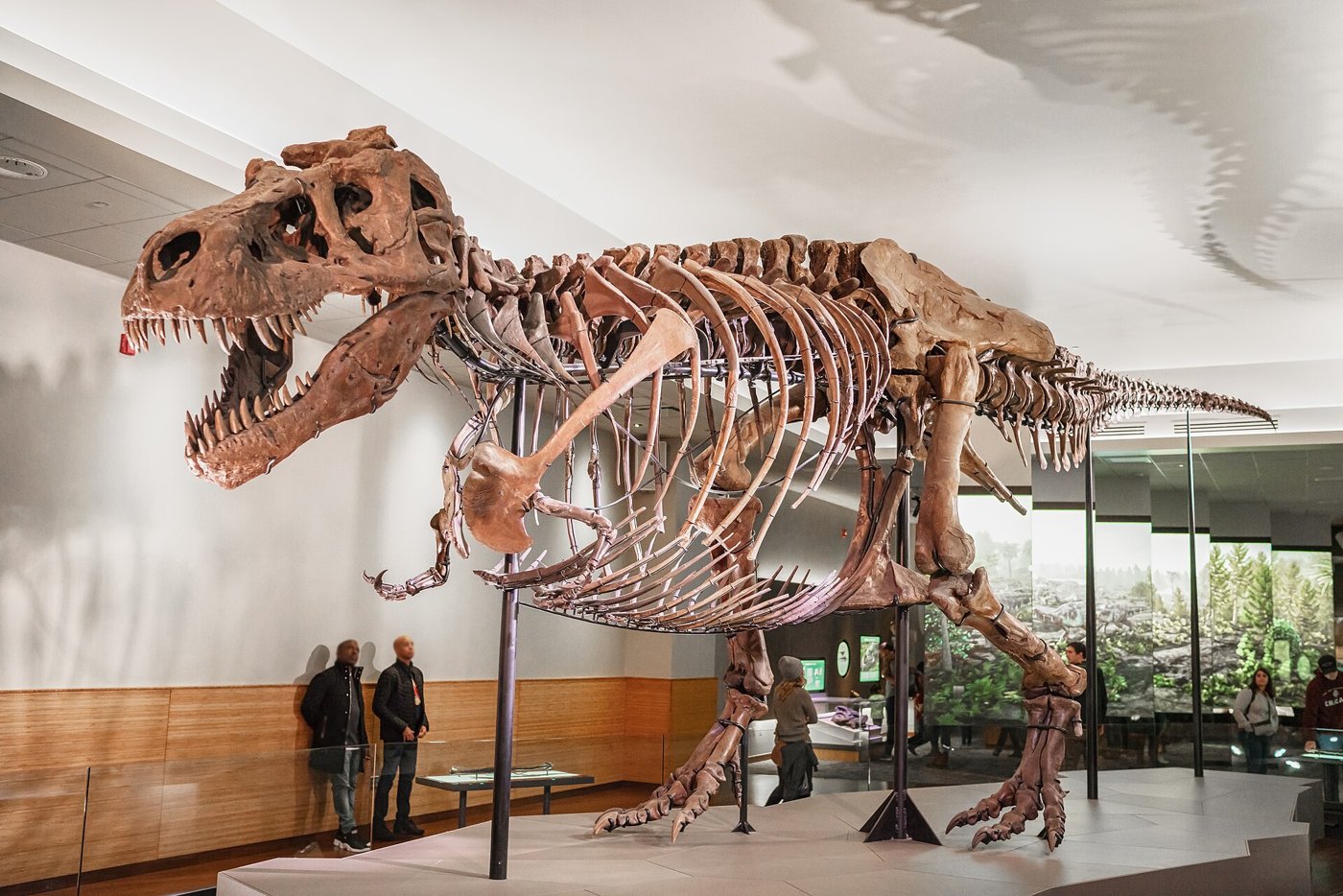
The move made the dinosaur part of a fuller account of prehistoric life rather than a freestanding attraction in the entrance hall. Stanley Field Hall was also reworked as part of the Griffin Dinosaur Experience, with Maximo the titanosaur. Akeley's fighting African elephants remain another connection to the institution's early history.
The museum also acknowledges that collecting cultural objects and human remains caused harm, particularly when nineteenth- and early-twentieth-century collectors ignored the rights of Indigenous communities. Its present work includes provenance research, consultation and repatriation. That history belongs alongside the story of scientific discovery: the collections are evidence of human relationships and decisions, as well as specimens arranged in cases.
In the movies
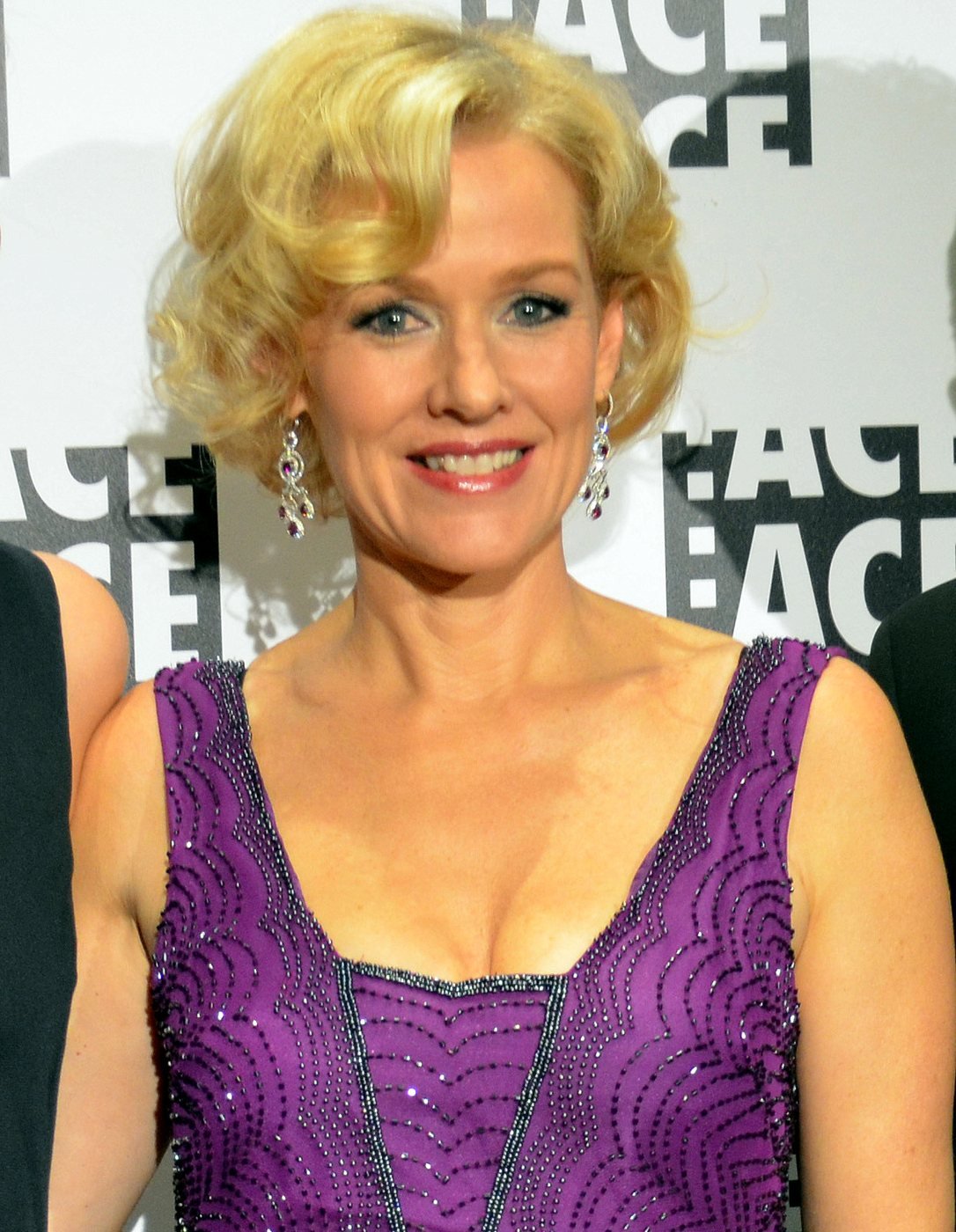
The Relic (1997), starring Penelope Ann Miller, uses the Field as the setting for its fictional museum horror story, and location records identify the actual building's exterior. The fictional events are not museum history. Chain Reaction (1996) also uses the Field, but its museum sequence combines locations. The location guide identifies an overhead Field exterior and a meeting there, followed by action at the Museum of Science and Industry's airline exhibit. The screen geography should not be read as one continuous real interior.
Who owns the Field Museum today?
The Field Museum is a private nonprofit institution with public support, not simply a municipal department. Its audited financial statements for 2025 state that it operates on Chicago Park District land made available at no charge. They also report museum building and building improvements among its capital assets. These records establish the land arrangement and accounting treatment; they do not independently verify current legal title to every part of the building or any underlying lease terms.
Admissions, memberships, donations, investments, grants and business activities support operations, alongside Park District property-tax remittances. The distinction between the nonprofit operator and the public landowner matters when describing a museum whose public mission does not make every space freely accessible.
Visiting and eating at the museum
The museum lists regular hours of 9 a.m. to 5 p.m., with last entry at 4 p.m., and closure on Thanksgiving and Christmas Day. Check the direct site for tickets and any special schedule before visiting. The monumental exterior can be appreciated from Museum Campus without assuming that a ticket grants access to research or collection-storage areas.
For food inside, the museum's amenities page lists the Field Bistro on the main level, open daily 9 a.m.-4 p.m., and the ground-floor Explorer Cafe, open 9 a.m.-1 p.m. Restaurant hours and availability can change. Visitors bringing snacks can use tables on the ground level in the Siragusa Center and near the Sea Mammals. These are museum visitor facilities, not a promise of unticketed restaurant access.
For a separate meal west of Museum Campus, Chicago Firehouse Restaurant occupies the former Engine Company 104 firehouse at 1401 South Michigan Avenue. Its direct contact page lists dining-room hours Monday-Thursday 4-10 p.m., Friday-Saturday 3-10 p.m. and Sunday 3-9 p.m. Bar104 closes at 11 p.m. Monday-Saturday but at 9 p.m. Sunday. Those operator hours were checked November 9, 2026; holiday arrangements may differ.
Sources
- Museum history
- Architecture
- Institutional timeline
- 1909 Illinois Supreme Court judgment
- Anderson biography
- Collections center
- SUE gallery opening
- 2025 audited financial statements
- Museum amenities and dining
- Chicago Firehouse hours
- Chain Reaction locations
- The Relic exterior location